


0102030405
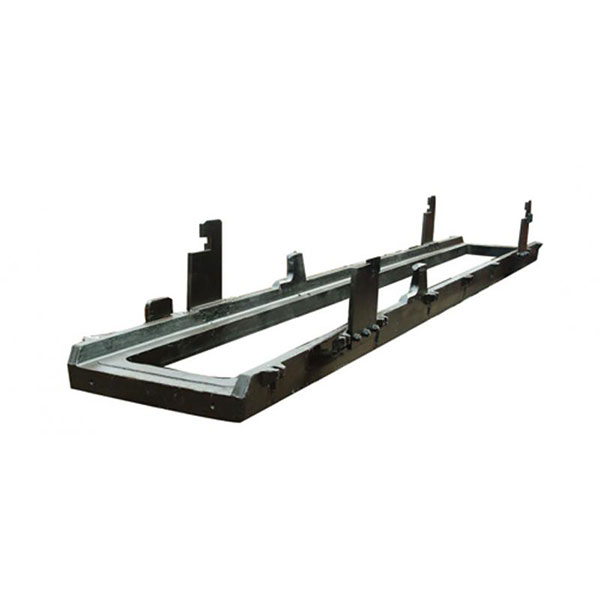
China Coking Furnace Frame - High Quality Suppliers & Factory for Durable Coking Process Solutions
Furnace frame, also known as coking furnace chamber, is a device used to store coking coal during the coking process. The furnace frame is one of the main components of the coking furnace, and its structural design and material selection directly affect the service life, production efficiency, and safety of the coking furnace. The following provides a detailed introduction to the furnace frame.
I. Structure of the Furnace Frame
Top
The top of the furnace frame usually has a feed inlet for loading raw coking coal into the furnace chamber.
Side walls
The side walls of the furnace frame are responsible for supporting and fixing the furnace chamber structure, typically made of refractory bricks or refractory castables.
Bottom
The bottom of the furnace frame is usually a slag collecting trough used to collect the slag produced inside the coking furnace.
Gas outlet
The gas produced during the coking process is discharged from the bottom of the furnace chamber and enters the coke gas purification device after gas cooling and purification.
II. Materials of the Furnace Frame
Refractory bricks
Refractory bricks are commonly used as the lining material for the furnace frame, with the characteristics of high temperature resistance and erosion resistance, effectively protecting the furnace chamber structure and extending its service life.
Refractory castables
Refractory castables are used to fill the side walls and the bottom of the furnace frame, mainly made of alumina and silica refractory materials, with good resistance to erosion.
Steel
The outer shell structure of the furnace frame is usually made of steel to provide the necessary strength and rigidity, ensuring the stability and safety of the furnace frame.
III. Functions of the Furnace Frame
Coal loading
The furnace frame serves as a storage device for coking coal, ensuring the continuity and stability of coking production.
Protection of the furnace chamber structure
The refractory lining of the furnace frame effectively protects the furnace chamber structure, extending the service life of the furnace chamber.
Slag collection
The slag collecting trough at the bottom of the furnace frame collects the slag produced inside the coking furnace, maintaining the cleanliness of the furnace chamber.
Gas emission
The gas outlet at the bottom of the furnace frame smoothly discharges the gas produced during the coking process, providing conditions for the subsequent gas treatment.
IV. Maintenance of the Furnace Frame
Regular cleaning
Regular cleaning of the furnace frame to remove ash, slag, and other impurities, maintaining the cleanliness of the interior of the furnace frame.
Routine inspection
Regular inspection of the furnace frame to promptly repair or replace any cracks, wear, corrosion, and other issues found.
Temperature control
Control the operating temperature of the furnace frame to prevent material damage from excessive temperatures.
In summary, the furnace frame is an important component of the coking furnace, playing a significant role in ensuring the safety, stability, and high efficiency of coking production. Proper material selection, scientific structural design, and strengthened maintenance and management can effectively extend the service life of the furnace frame, improve production efficiency, reduce energy consumption, and provide guarantee for the sustainable development of coking enterprises.
Frequently Asked Questions (FAQ)
What is a furnace frame and what is its main purpose?
A furnace frame, also known as a coking furnace chamber, is a key component of a coking furnace. Its primary purpose is to store coking coal during the coking process, ensuring structural stability and safe operations.
What materials are used to construct the furnace frame?
The lining is typically made of refractory bricks for high temperature resistance. Refractory castables (made of alumina and silica) fill the side walls and bottom, while the outer shell is constructed of steel to provide strength and rigidity.
How does the furnace frame manage waste and gas?
Slag is collected in a slag collecting trough at the bottom of the furnace frame. The gas produced during coking is discharged through a gas outlet at the bottom, which then directs it to a cooling and purification system.
What maintenance is required for a furnace frame?
Maintenance includes regular cleaning of ash and slag, routine inspections to repair cracks, wear, or corrosion, and strict temperature control to prevent material damage from overheating.
Why is the structural design of the furnace frame important?
Proper structural design and material selection directly impact the service life, production efficiency, safety, and energy consumption of the entire coking furnace system.